There has been a lot of conversation lately about medications like Ozempic, Wegovy, and Mounjaro.
You’ve probably heard about them, know someone taking them, or perhaps you’re using one yourself.
These medications, known as GLP-1-based treatments, have provided another approach to weight management. For many people, they’re proving to be an effective tool for improving their health.
With any significant weight loss there are some things we can do through training and nutrition to help maintain our strength, health, and physical capacity.
What are we actually losing when we lose weight?
When someone loses a significant amount of weight, whether through medication, dietary changes, or a combination of approaches, some of that weight will usually come from lean tissue, which includes muscle.
And that’s worth paying attention to.
Muscle does a lot more for us than help us lift weights in the gym.
It helps us get up off the floor, carry our shopping, climb stairs, play with our kids and grandkids, and maintain our independence as we get older.
It also plays an important role in our metabolic health, including how our bodies manage blood glucose.
And our muscles and bones work together. Maintaining muscle strength and regularly loading our skeleton through exercise are important for bone health, particularly as we age.
The number on the scales only tells us part of the story.
Someone might lose 15 kilograms and see a significant improvement in their health.
That’s a great outcome.
But we also need to track:
Are they maintaining their strength?
Can they still do the things they enjoy?
Are they eating enough to support their body?
Are they building habits that will support their health in five, ten, or twenty years?
These are important questions, regardless of how someone chooses to manage their weight.
So, what can you do to maintain your strength and physical capacity while losing weight?
1. Keep strength training and moving.
Resistance training is one of the most useful tools we have for maintaining muscle during weight loss. It also provides an important stimulus for maintaining bone strength.
And you don’t need to be lifting enormous weights to benefit.
Squats, deadlifts, presses, pulling movements, and other appropriately challenging exercises can all help.
A 2025 joint advisory from leading medical and nutrition organisations recommends working towards at least three strength training sessions each week, alongside 150 minutes of moderate aerobic activity.
That aerobic activity might include fast walking, cycling, swimming, or other activities that get your heart rate up.
If you’re new to exercise, don’t be put off by those numbers.
Starting with one or two strength sessions and gradually building your activity levels is a perfectly reasonable approach.
The important thing is finding a level of training that’s appropriate for you and progressing from there.
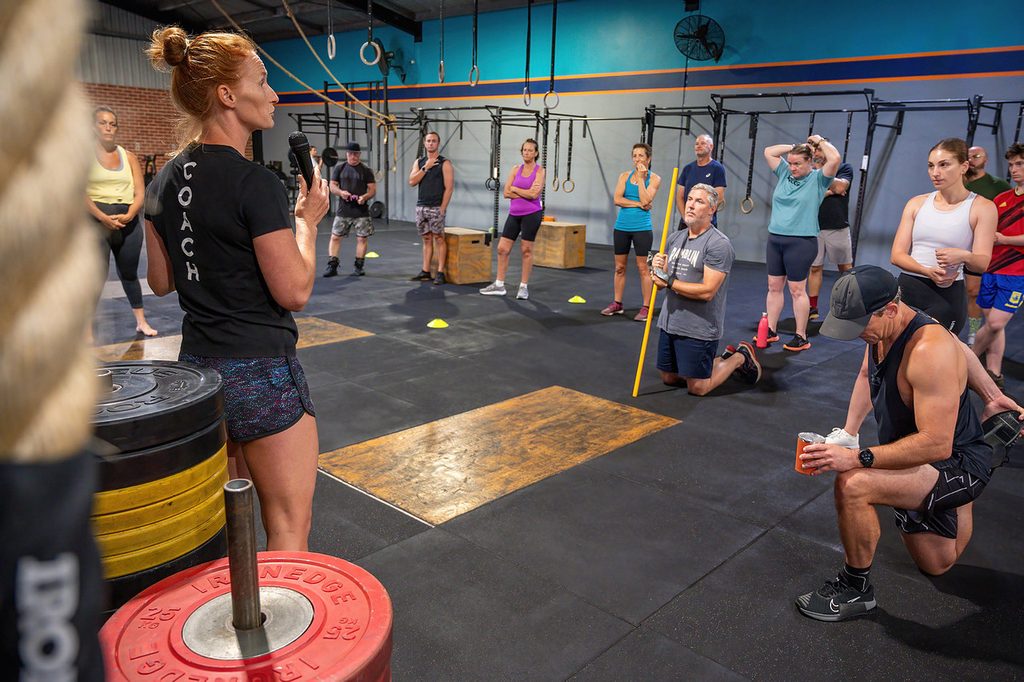
Communicating your goals with your coach can help us tailor your classes or personal training sessions to place additional emphasis on strength, aerobic fitness, or whatever you need most.
2. Pay attention to your protein intake.
Protein provides the building blocks your body needs to repair and maintain muscle.
One of the effects of GLP-1 medications is reduced appetite. While this can help with weight management, it may also make it harder to eat enough food, including protein.
Research suggests that many people losing weight may benefit from around 1.2 to 1.6 grams of protein per kilogram of body weight each day. For some people, a simpler target of 80 to 120 grams per day may be appropriate.
These are general guidelines, and calculating protein requirements using actual body weight isn’t appropriate for everyone.
Your individual needs will vary depending on your body composition, activity levels, and health.
A good starting point is to include a source of protein with each meal, such as eggs, Greek yoghurt, cottage cheese, fish, chicken, tofu, or legumes.
If you’re struggling to eat enough, a dietitian familiar with these medications can help you work out what’s appropriate for your needs.
3. Adjust your training when needed.
If you’re eating significantly less than you used to, or experiencing side effects such as nausea or fatigue, your normal training routine might need some adjustment.
You may need to reduce the intensity, change the volume, or allow yourself more recovery.
This is something we talk about regularly at CrossFit Ballina.
Your training should reflect what your body can reasonably recover from.
And if you’re experiencing ongoing side effects, it’s worth speaking with your doctor.
4. Measure progress in more ways than one.
For some people, losing weight can make a significant difference to their health and quality of life.
Also, pay attention to other measures of progress too.
Are you feeling strong and capable?
Are you finding everyday tasks easier?
Has your fitness improved?
Do you have more energy to enjoy the things you love?
Those things matter.
The bigger picture
I’m pleased that there are more treatment options available for people who need help managing their weight.
And regardless of the approach someone takes, I think maintaining strength, fitness, and physical capacity should be an important part of the conversation.
Ultimately, we want people to live longer, healthier lives, with the physical ability to enjoy those extra years.
If you’re currently taking one of these medications, or considering doing so, have a conversation with your doctor about how strength training and nutrition can support your treatment.
And if you’d like help figuring out what appropriate training could look like for you, have a chat with one of our coaches.
That’s what we’re here for.
Ehren